Author: Ami Humphreys
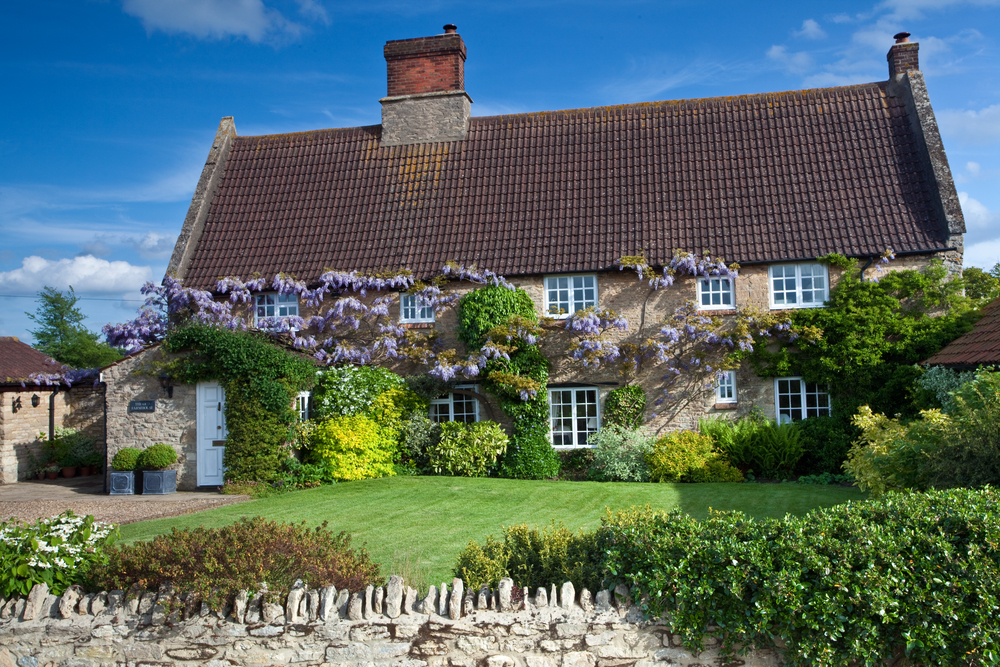
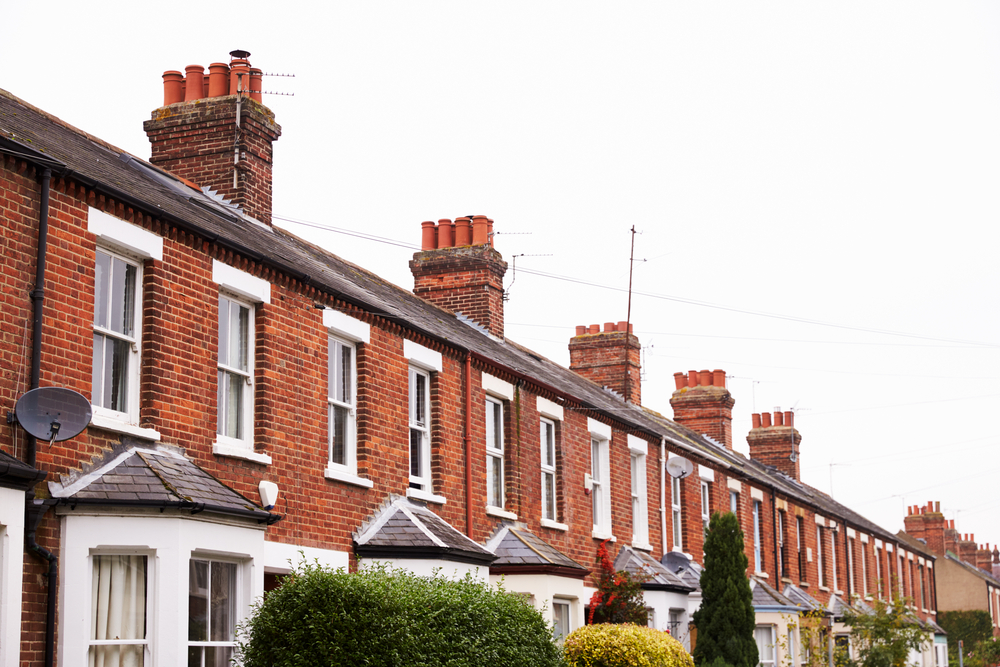
We are very lucky here in the Bury office to be surrounded by some beautiful Listed Buildings, whether it is Georgian townhouse’s, the medieval Guildhall, or a Victorian terrace, but what do you need to be aware of if you are thinking about buying a listed building?
In England and Wales there are three categories of listed buildings:
Grade I – buildings of exceptional interest.
Grade II* – buildings of particular importance.
Grade II – buildings of special architectural or historic interest
The ‘listing’ will contain a brief description of the building to assist with identification and usually sets out specific features of the property. The building itself is protected from the foundations through to the chimney and all parts in between, and that protection can also extend to structures within the boundary of the property, in addition to the building itself.
When you buy a listed building you are becoming the guardian of a piece of history, and with this comes responsibility:-
- Your home will be on the national register of listed buildings, which can be found on the Historic England website (historicengland.org.uk)
- You will be required to obtain permission from your Local Authority for any alterations that you wish to carry out, including (but not limited to) changing the windows, adding a satellite dish, adding an extension, or changing the internal layout. This is in addition to any requirement for Planning Permission.
- You may need specialist insurance as the rebuild cost of a listed house can be significantly more than a non-listed property.
- You may have to use ‘traditional’ tradespeople to carry out work on your property, for items such as the lime render and pointing, thatched roof or for replacement windows as often these items have to be replaced like for like with how they would have been when the property was built.
Things to note when buying a listed property:-
- Failure to obtain the appropriate consent, and therefore carrying out unauthorised works to a listed building is a criminal offence, punishable by up to two years in prison, and an unlimited fine if convicted in a Crown Court, if you are found guilty in a Magistrates Court the maximum penalty is a fine up to £20,000 and/ or six months imprisonment.
- In addition to prosecution the Local Authority may also issue a Listed Building Enforcement Notice which requires the restoration or alleviation of the effects of the unauthorised works. Failure by the owner to comply with such a notice is itself an offence which carried an unlimited fine, even if those works were done by a previous owner.
- Many listed buildings also lie within conservation areas, which adds a further layer of planning control and consents.
So whilst ownership of a listed building does come with some extra responsibilities, as long as you take proper legal advice and investigate the planning history of the property before you buy it you can relish in knowing that you have been the custodian of a little piece of history.
Please note this article is provided for general information purposes only to clients and friends of Hayward Moon Limited. It is not intended to impart legal advice on any matter. Specialist advice should be taken in relation to specific circumstances. Whilst we endeavour to ensure that the information in this article is correct, no warranty, express or implied, is given as to its accuracy, and Hayward Moon Limited does not accept any liability for error or omission.