Author: Laura Palmer
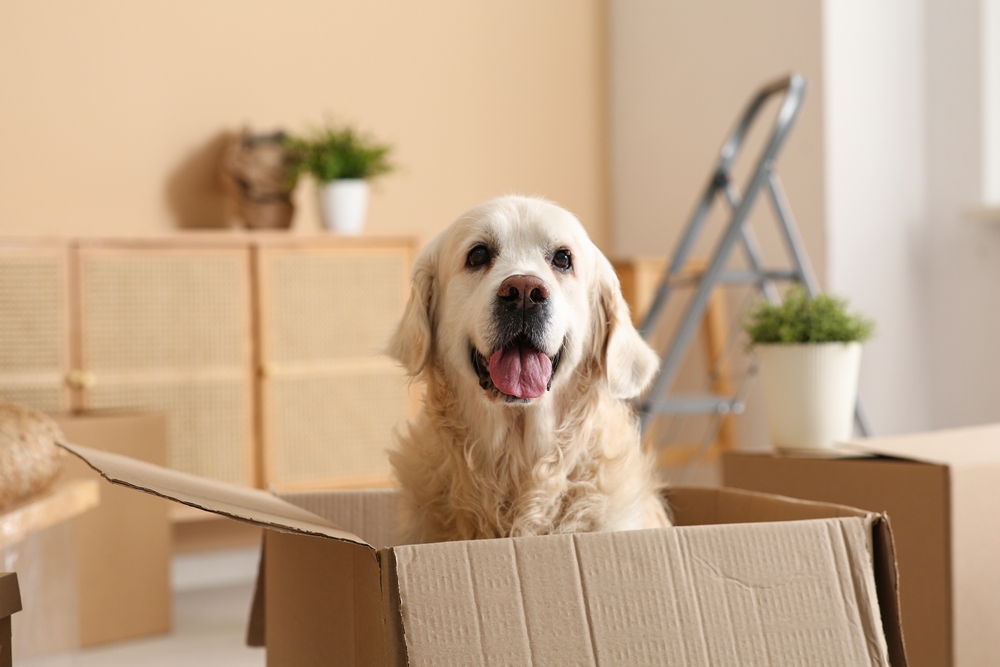
Moving house can be a stressful time for pets and they may need some time to adjust to a new environment.
Stress and excitement from their family, new smells as well as new noises and neighbours are all things that can affect our beloved furry family members. All pets are individuals and each one will react differently to the changes in their lifestyle and routine.
Before the Move:
- Get Them Used to the Carrier:
Start this a few weeks before you move if your pet is not used to being in their carrier. Encourage your pet to use their carrier or crate for travel by placing treats inside it and get them used to being in the carrier and being picked up and moved around.
- Arrange Pet Care:
On moving day, arrange for your pet stay at a friend’s house, a boarding kennel or cattery, or with a pet sitter to minimize their exposure to the chaos of the move.
- Speak to your vet:
Take your pet to your vet to ensure vaccinations are up-to-date. Your vet will also be able to give advice on calming products like pheromone diffusers or medication.
- Pack Your Pet’s Essentials Last:
Pack your pet’s food, water bowls, bedding, and favourite toys last so they are the first things you find when you unpack in your new home.
After the Move
- Create a Safe Space:
Set up a “safe space” – a quiet room for your pet with their bed, toys, and food bowls so they have a familiar area in the new home. If your dog is crate trained, set their crate up somewhere quiet where they can take themselves out of the way if they need to
- Check Your Boundaries:
Before letting your pet out for the first time, check your boundary fences and make sure there are no gaps or places that they can escape from
- Update Pet Details:
Ensure your pet’s microchip and collar tag are updated with your new contact details
- Maintain Routine:
As much as you are able to, stick to your pet’s usual mealtimes and walking routine to provide a sense of security.
- Gradual Exploration:
Once your pets are settled, allow them to explore the new home and garden. Let them explore at their own pace.
- Keep Cats Indoors:
Aim to keep your outdoor cat indoors for at least a few weeks to help them adjust to their new surroundings before allowing them to go outside. There is lots of advice online about how you can encourage your feline friend to feel safe in their new environment and learn where their new home is so they can make it back safely.
- Be Patient:
Allow your pet plenty of time to adjust to the new home and use their favourite treats or food to tempt them back if they feel nervous. Be prepared that if they are anxious, even a well house trained pet may need to take a step back in their toilet training
- Register with a New Vet:
Find and register your pet with a new local vet in the area.
It would be ideal if you can arrange for your pet(s) to spend the completion day with a trusted friend, family member, or boarding facility. Once you are in your new home, set up a comfortable “safe space” with their familiar belongings ready for when they come into their new home. Try and keep their routine consistent with mealtimes and walks. Once in the new home, gradually introduce your pet to their surroundings, keeping cats indoors for several weeks initially can help them to adjust.